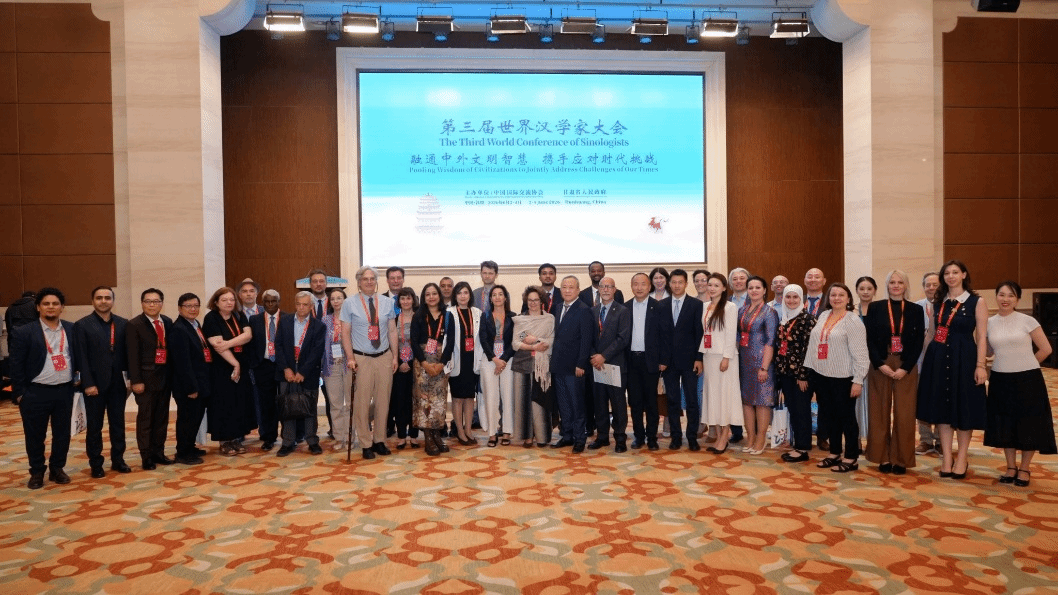
From June 3 to 4, the 3rd World Conference of Sinologists was grandly held and successfully held in Dunhuang, Gansu Province. Under the theme "Bridging the Wisdom of Chinese and Foreign Civilizations to Jointly Address the Challenges of Our Time," the conference brought together over 300 sinologists, overseas scholars, and international dignitaries from nearly 70 countries, making it the most prestigious and influential landmark international academic event in the field of global sinology.
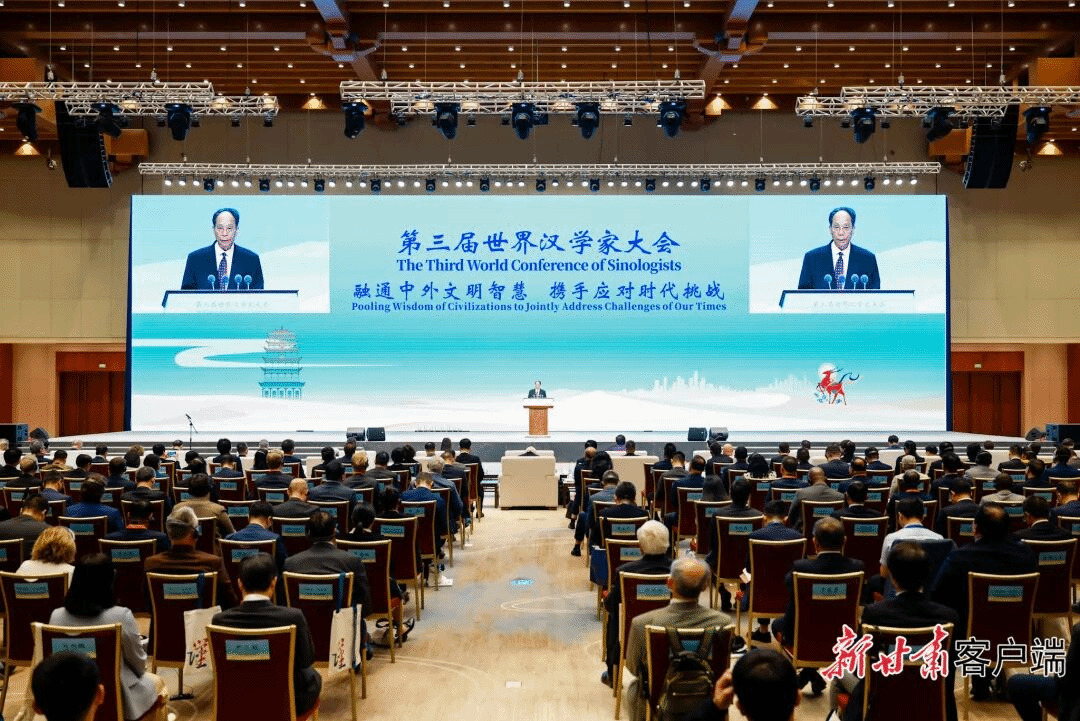
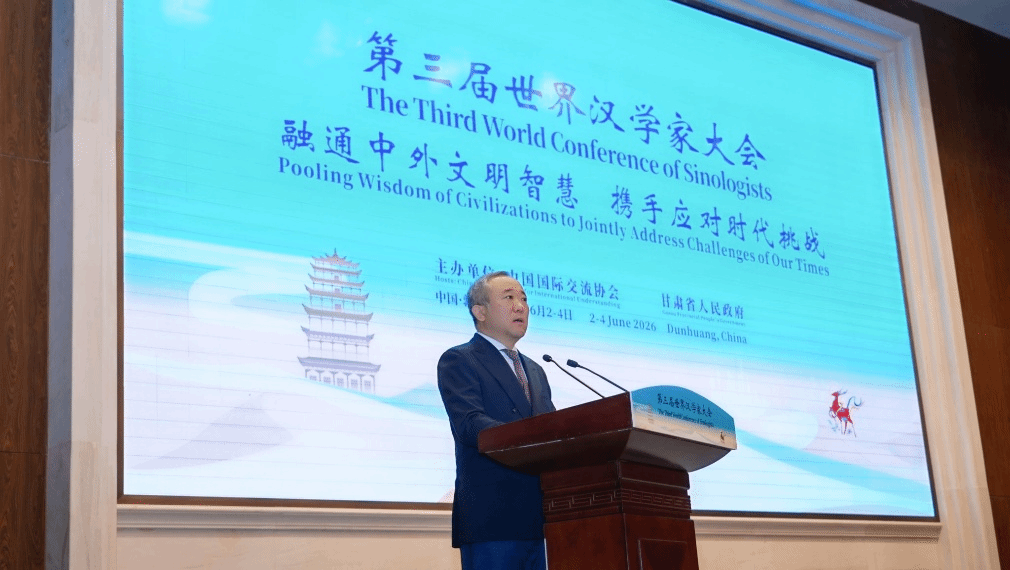
President Duan Peng noted that sinology serves as a core academic bridge connecting China with the world and interpreting Chinese civilization, while global sinologists represent a vital force in promoting cross‑cultural exchanges and deepening transnational academic collaboration. In his address, President Duan outlined two major strategic directions for the university's future commitment to advancing global sinology. First, upholding academic excellence and synergistic empowerment, the university will continue to strengthen the global collaborative network of sinologists. Second, leveraging platform advantages and deepening brand development, the university will further elevate the high‑end exchange platform of the World Conference of Sinologists.
The conference achieved fruitful and far‑reaching results, releasing four major outcomes: the Dunhuang Initiative of World Sinologists, the World Sinologists Book Series, the establishment of seven new overseas Sinology centers, and the inauguration of the World Sinologists Workshop. These achievements comprehensively enhance the global research framework of sinology and facilitate the translation of research results into practical applications.
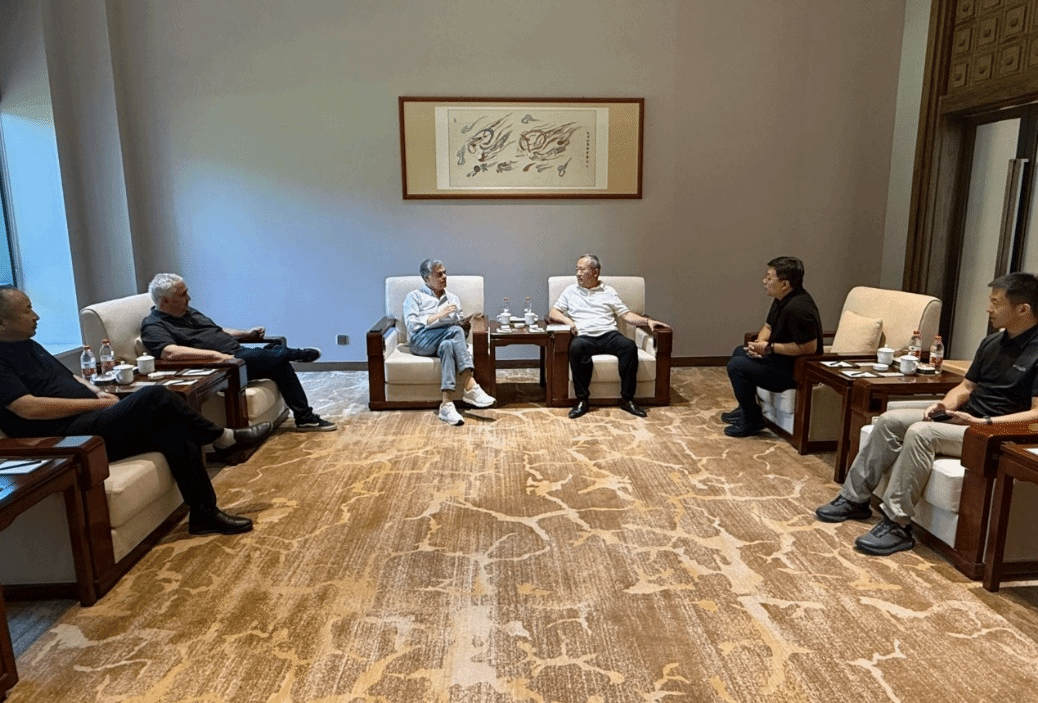
During the conference, President Duan Peng held a series of foreign affairs meetings and strategic cooperation talks with local governments, connecting the university with high‑quality global educational resources. Multiple areas of consensus on cooperation were reached in areas such as Sino‑foreign inter‑institutional collaboration, country‑specific and regional exchanges, and the international dissemination of culture.
These achievements in co‑hosting the conference and conducting foreign affairs cooperation represent a major initiative by the university to actively serve the nation's strategy of Sino‑foreign cultural exchanges, continuously strengthen its distinctive global sinology focus, and enhance its international education capacity. In the future, Beijing Language and Culture University will continue to develop the "BLCU model" for the exchange and mutual learning of civilizations.
(Editor: Ye Peifan)