On the afternoon of March 21, the Volunteer Association of Capital Medical University visited Beijing Language and Culture University (BLCU) to host a themed event titled “Traditional Chinese Medicine Culture on Campus” at the Lange Activity Center. The event, designed to be immersive, featured five engaging sections: auricular acupuncture care, TCM massage, pulse diagnosis, herb identification by scent, and stamp collections. These activities transformed professional TCM knowledge into interactive and enjoyable experiences, drawing a large number of students who eagerly participated and had the opportunity to experience the unique charm of traditional Chinese medicine culture firsthand.
The atmosphere at the event site was both warm and orderly. In the auricular acupuncture experience area, volunteers carefully identified ear acupoints based on participants’ physical conditions, applied auricular seeds correctly, and provided detailed explanations of the relationship between ear acupoints and physical health according to TCM theories. The clear and accessible presentations captivated the students, prompting them to listen attentively and ask questions actively, fostering a lively and interactive atmosphere.
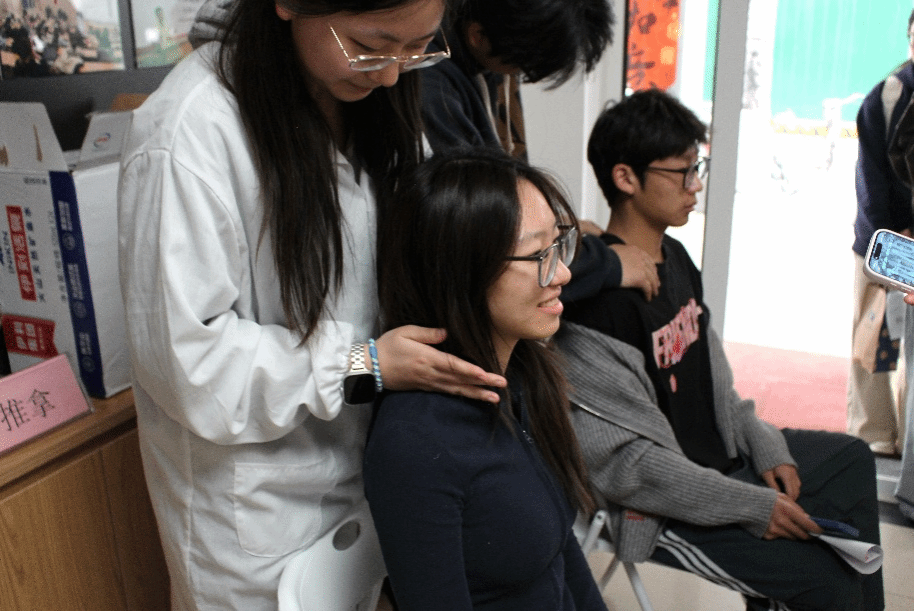
The TCM massage area was extremely popular. Volunteers used professional techniques to relieve students’ shoulder and neck fatigue from long hours of study, earning unanimous praise for their thoughtful service and expertise.
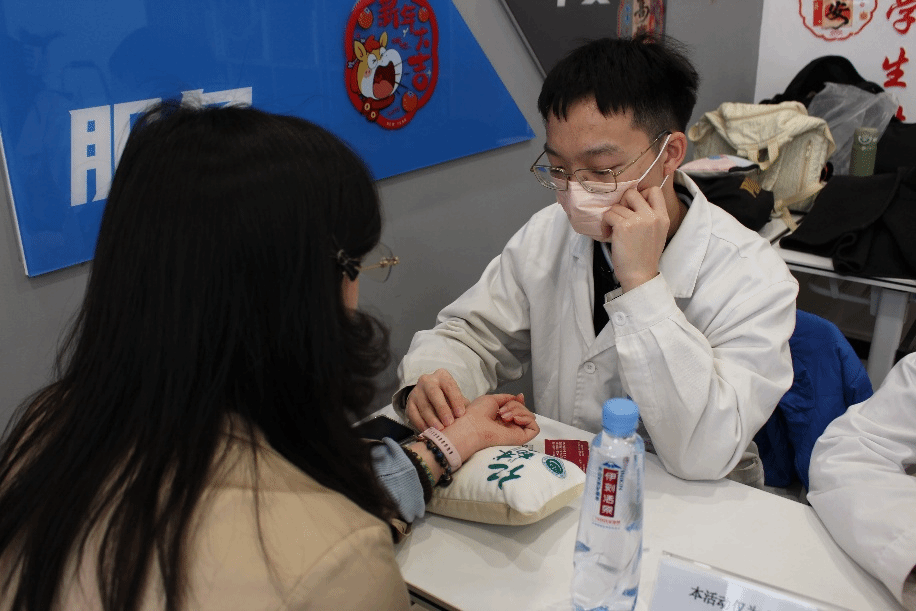
Students lined up in an orderly fashion at the pulse diagnosis area. Volunteers assessed physical constitutions by taking pulses and explained the pulse information in simple terms, making the abstract principles of TCM both intuitive and relatable to everyday life.
The herb identification by scent session was both enjoyable and engaging. A variety of common Chinese herbs were displayed, and students took part in identifying and guessing them by observing their shapes and smelling their aromas. This hands-on activity provided a relaxed yet informative way for students to deepen their understanding of Chinese herbal medicine culture.
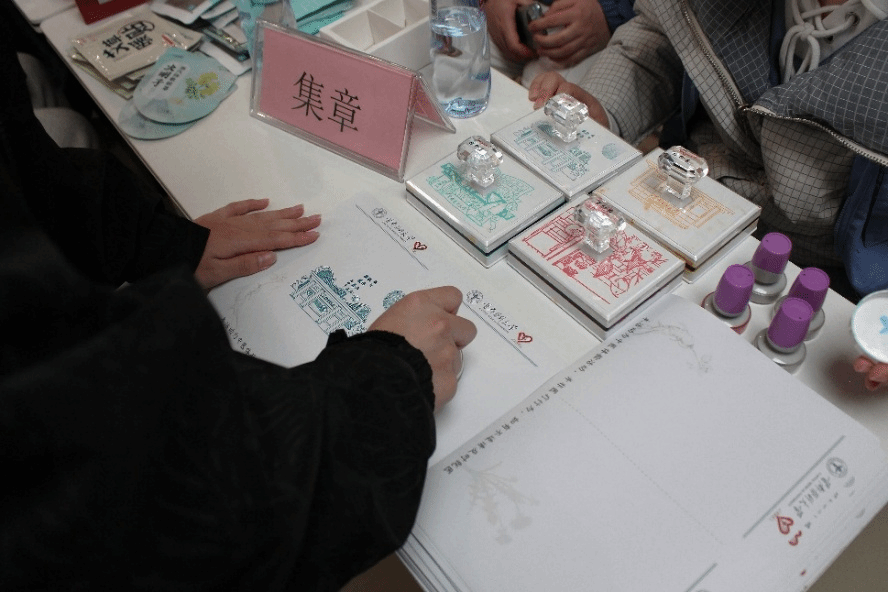
The stamp collection area was thoughtfully designed. Unique stamps printed with architectural patterns of Capital Medical University left beautiful souvenirs for participating students and served as a warm testament to the youth exchanges between the two universities.
At 5 p.m., the event concluded successfully with a warm group photo featuring volunteers from both universities. This cross-campus activity presented TCM culture to young students in a lively and engaging way, enriching campus cultural life. It offered everyone the chance to experience the essence of this national treasure up close, while also allowing TCM culture to take root and thrive on campus.